Introduction: The Evolving Relationship Between the Pentagon and Big Tech
The Pentagon’s growing collaboration with Big Tech companies is transforming the way modern defense operations are conducted. One key example of this shift is the Tesla Cybertruck. With its unique design and advanced features, the Cybertruck is becoming a symbol of how military needs can align with innovative, commercial technology. This article explores the intersection between Tesla, the Pentagon, and Big Tech as they work together to modernize the defense sector and meet new operational demands.
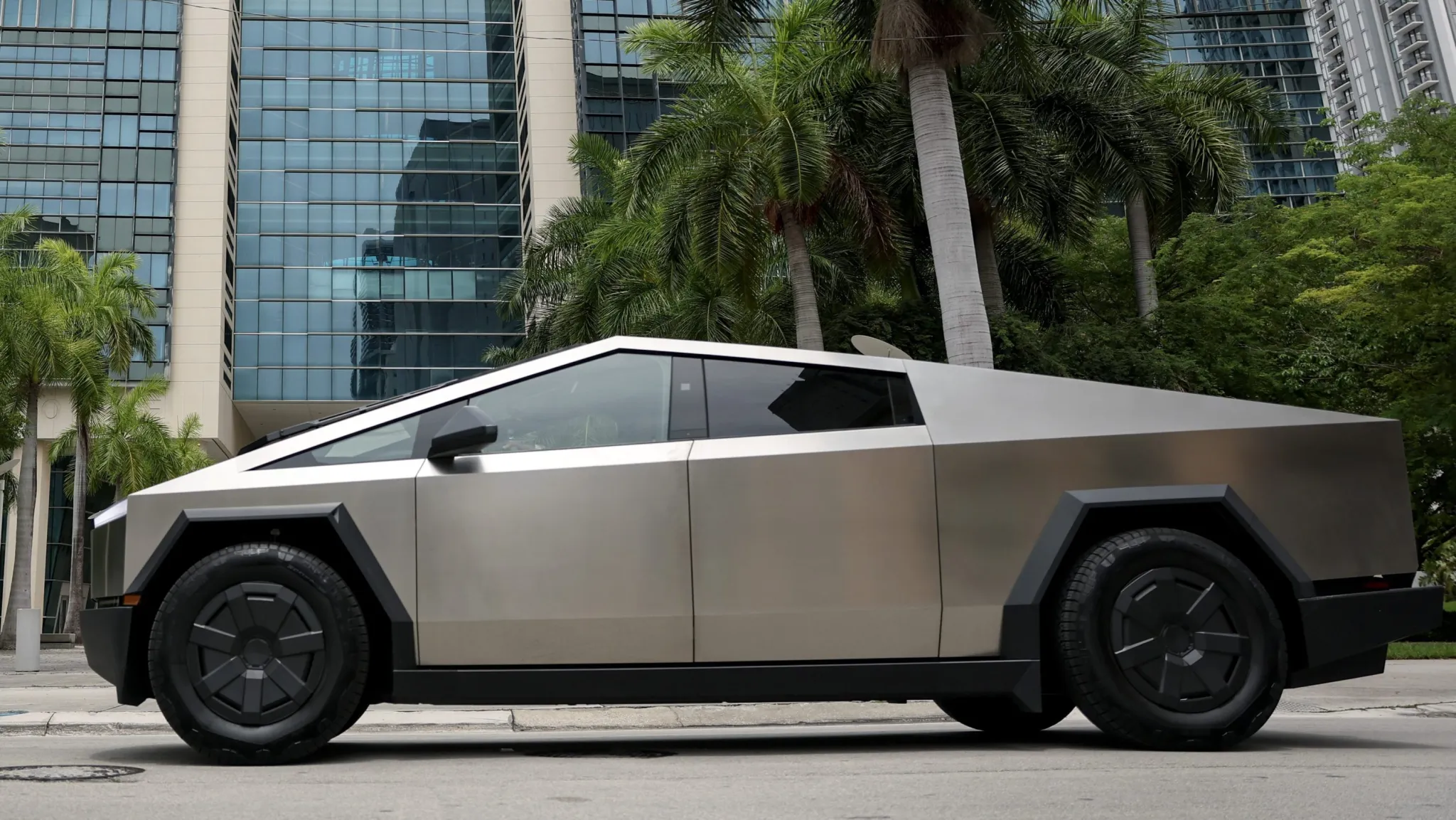
The Cybertruck, built by Tesla, stands out because of its durability, innovative technology, and electric drivetrain, making it an ideal candidate for defense use. As the Pentagon explores electric vehicles for military applications, the Cybertruck’s design offers many advantages. Let’s delve deeper into how the Cybertruck is becoming more than just a civilian vehicle and how it fits into the Pentagon’s strategy for future mobility.
Why the Pentagon Is Interested in Big Tech Solutions
The Pentagon has increasingly turned to Big Tech for support in areas like logistics, cybersecurity, and advanced software solutions. In particular, electric vehicles such as the Tesla Cybertruck are gaining attention due to their ability to reduce fuel dependency, operate quietly for tactical purposes, and require lower maintenance costs. The Cybertruck’s stainless-steel exoskeleton and electric architecture are perfect for resilient platforms that meet the Pentagon’s needs for security patrols, base operations, and rapid deployment support. This marks a shift toward more sustainable, cost-effective, and digitally integrated defense solutions.
The Pentagon’s interest in Tesla’s vehicles is also a reflection of a broader trend where defense agencies are leveraging Big Tech innovations to improve military mobility. As electric vehicles continue to evolve, they align with the Pentagon’s push toward resilient infrastructure and more energy-efficient operations.
Tesla Cybertruck’s Unique Features Relevant to Defense Use
The Tesla Cybertruck offers several features that make it a perfect fit for the Pentagon’s defense needs. Its aggressively angular design, paired with the stainless steel exoskeleton, makes the Cybertruck highly durable in harsh environments. This, combined with adaptive air suspension and high ground clearance, allows it to perform well in rough terrain—a critical feature for military operations in remote areas. The Cybertruck’s electric drivetrain offers a silent operation, ideal for stealth missions that require minimal noise. Additionally, its ability to power equipment through onboard energy systems makes it a valuable asset for military bases or disaster relief operations.
Moreover, the Cybertruck’s software allows for over-the-air updates, ensuring that the vehicle remains at the cutting edge of performance. These features not only benefit military operations but also reflect the innovative spirit of Tesla and how Big Tech is reshaping the future of defense mobility.
| Point | Explanation | Impact |
| Durable Exoskeleton | The Cybertruck’s stainless-steel body is resistant to significant damage, making it ideal for harsh environments. | Provides resilience and protection in extreme conditions. |
| Electric Drivetrain | Electric power allows the Cybertruck to operate silently and with minimal maintenance. | Enhances stealth and reduces operational costs. |
| Advanced Software | The Cybertruck’s over-the-air updates ensure continuous performance improvements. | Enables real-time adaptation to evolving needs. |
| Adaptive Suspension | The adaptive air suspension allows the Cybertruck to navigate rough terrains efficiently. | Supports mobility in difficult and remote locations. |
| Onboard Power Systems | Cybertruck can power equipment through its built-in energy systems, reducing dependence on external power sources. | Improves logistics and self-sufficiency in operations. |
Big Tech’s Role in Military Modernization
The collaboration between the Pentagon and Big Tech firms like Tesla is driving military modernization on multiple fronts. Beyond vehicles, companies like Tesla provide cloud computing, data analytics, and cybersecurity solutions that integrate with modern defense systems. The focus is on smart logistics, real-time tracking, and energy optimization, all of which are vital for enhancing military operations. This partnership has opened the door to agile, cost-efficient innovations that would have been difficult to achieve through traditional procurement methods.
As Big Tech companies continue to play an integral role in defense modernization, the Pentagon is increasingly adopting commercial technologies. These advancements help the military stay competitive and resilient in a rapidly changing global landscape. The Cybertruck, with its advanced software, electric features, and durability, perfectly represents how Big Tech is meeting the Pentagon’s evolving demands.
Potential Use Cases for Tesla Cybertrucks in Defense Operations
While the Tesla Cybertruck is not designed for combat, its versatility makes it an ideal candidate for several support roles in defense operations. The Cybertruck can serve as personnel transport, move equipment, or conduct perimeter patrols at military bases. Electric vehicles like the Cybertruck are also crucial in humanitarian missions and disaster relief, where their low maintenance and energy-efficient design come in handy. In remote bases with renewable energy sources, electric vehicles like the Cybertruck reduce the need for costly and vulnerable fuel convoys, making them a sustainable and secure option for military logistics.
These use cases illustrate the Cybertruck’s potential to improve military mobility while also aligning with the Pentagon’s sustainability goals. The ability to integrate Tesla’s technology with military operations represents the future of defense mobility, where electric vehicles and advanced technology work together to create more efficient, cost-effective solutions.
Challenges and Considerations in Adopting Cybertrucks
Adopting commercial electric vehicles like the Tesla Cybertruck into defense operations is not without challenges. The Pentagon must address cybersecurity concerns, ensure charging infrastructure is ready, and assess the vehicle’s performance in extreme environments. Military standards often require rigorous testing beyond civilian specifications, and Cybertruck’s integration into military operations will require adapting the vehicle to meet these requirements.
Other considerations include supply chain reliability and long-term maintenance plans. While Tesla’s vehicles are innovative and well-suited for military use, their deployment at scale will require careful planning to ensure they meet operational demands and continue to perform reliably in battlefield environments.
Future Outlook: Cybertruck and Defense Mobility
The ongoing collaboration between Tesla and the Pentagon signals the future of defense mobility. As electric vehicle technology continues to advance, the Cybertruck could become a standard in military operations, particularly in non-combat roles. Improvements in battery density, charging speed, and autonomous capabilities may further expand the range of missions that electric platforms like the Cybertruck can support. As Big Tech continues to work with the Pentagon, the future of defense mobility will likely see more electric vehicles integrated into military operations, helping to achieve greater efficiency, sustainability, and resilience.
FAQs About Pentagon Big Tech Tesla Cybertruck
- Is the Tesla Cybertruck officially used by the Pentagon?
The Pentagon is still evaluating Tesla Cybertrucks for potential use in military operations, particularly in non-combat roles such as logistics and support. - Why would the military consider electric vehicles like the Cybertruck?
Electric vehicles like the Cybertruck offer advantages such as reduced fuel dependency, quieter operation, and lower maintenance costs, making them ideal for support roles. - What advantages does the Cybertruck provide compared to traditional trucks?
The Cybertruck’s durable exoskeleton, high torque, software updates, and onboard power capabilities make it a versatile platform for military applications. - Could electric trucks be used in combat situations?
Electric trucks like the Cybertruck are more likely to be used in non-combat roles, such as personnel transport, patrols, and humanitarian missions. - What challenges must be solved before adoption?
Key challenges include ensuring cybersecurity, adapting charging infrastructure, and meeting military performance standards for long-term reliability.
About the Author