Introduction
I always treat the disc brake calipers, modern disc brake systems, and overall braking system as the heart of my car’s safety system, because these crucial components handle slowing, stopping, and protecting the vehicle from accidents caused by heat, rust, corrosion, and debris.
From my experience as a vehicle owner, I regularly check brake pads, brake rotors, and do routine maintenance to avoid damage from road grime, salt, and excessive heat, because ignoring these can ruin the entire efficient braking system.
A well-maintained brake caliper plays a pivotal role as an essential part that helps your car slow down and reach a complete stop, making it a critical part of how brakes work and keep every drive safe.
What Is a Brake Caliper?
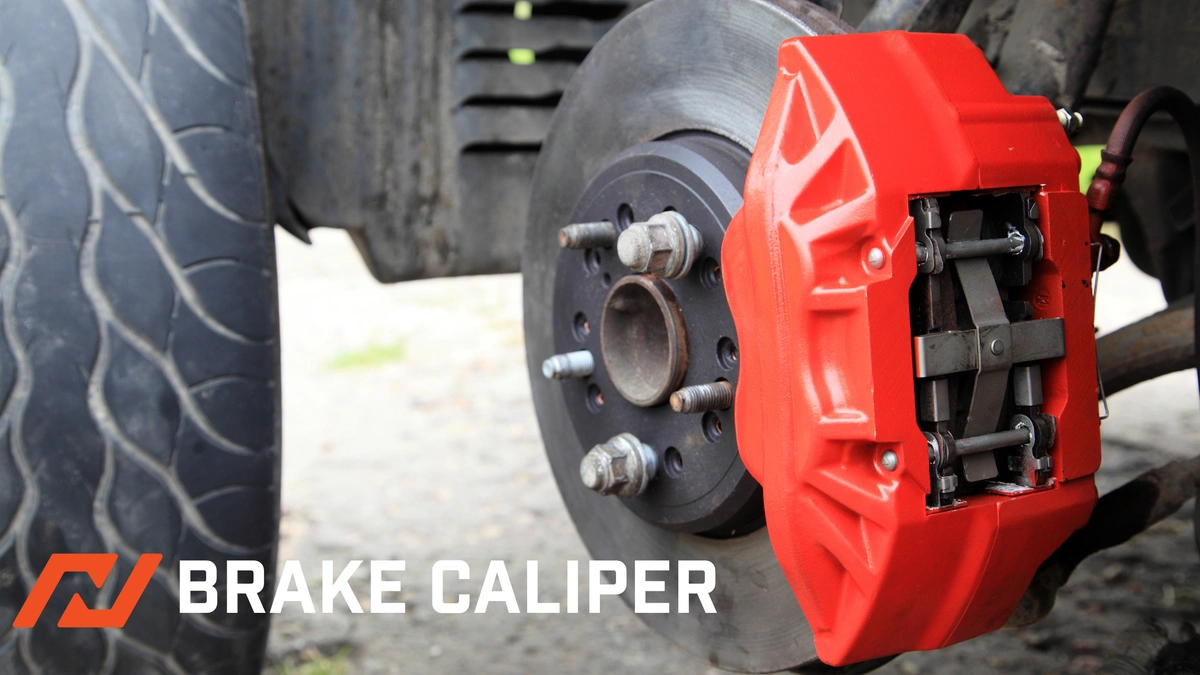
The brake caliper connects to the steering knuckle and holds friction material like disc brake pads, while controlling pressurized brake fluid from the master cylinder through a piston that helps clamp the brake pads onto the disc brake rotor when you press the brake pedal.
This pressurized fluid pushes the caliper piston, which squeezes the rotors, creating heat and friction that slows rotor rotation and wheel rotation, turning kinetic energy into dissipated heat for a controlled stop.
As a key component of disc brakes in modern vehicles, the clamp mechanism works with fixed caliper, floating caliper, and sliding caliper designs that use different pressure mechanisms but share the same braking purpose.
How Brake Calipers Work
When I press the brake pedal, brake fluid moves from the master cylinder into the brake calipers, creating hydraulic pressure that activates pistons to push brake pads onto the spinning brake disc.
In a fixed brake caliper, pistons both sides apply force evenly, while a floating brake caliper uses a one side piston and caliper movement to press the opposite brake pad against the disc.
This friction between brake pads and disc slows vehicle speed as more pressure applied increases stopping speed, ensuring the braking system can engage pads and keep discs function properly.
| Step | Process | Key Components |
| 1 | Press brake pedal creates hydraulic pressure | brake pedal, master cylinder, brake fluid |
| 2 | Fluid moves into brake calipers | brake fluid, brake calipers |
| 3 | pistons push brake pads toward spinning brake disc | pistons, brake pads, disc brake rotor |
| 4 | Contact creates friction and heat to slow vehicle | friction, heat, rotor rotation |
| 5 | System reduces speed for stopping safely | wheel rotation, controlled stop, braking system |
Why Brake Calipers Are Important
I always say a vital safety component like this controls the vehicle ability stop, because even a small malfunction can cause uneven wear, damage brake pads, and lead to reduced braking efficiency or full brake failure.
Strong stopping power helps in emergency situations where you must avoid accident or prevent a collision, while even braking gives better control vehicle handling under wet conditions or icy conditions.
These parts also manage heat, handle friction heat, survive high temperatures, and improve durability and longevity, while preventing issues like brake fluid leaks, sticking pistons, and poor braking performance.
What Happens When a Brake Caliper Goes Bad
When I notice bad brake calipers, I often see brake pads wear out and rotors wear out faster, forcing frequent replacing components due to damaged calipers caused by overheated brake pads, worn-out pads, or warped rotors.
Problems also come from worn hardware, loose hardware, defective hardware, missing hardware, or unlubricated hardware in the brake mounting hardware, which leads to heat insulation failure and excessive heat buildup.
This heat damages the caliper piston, causes brake fluid degrade, leads to brake fade, or even brake failure, while a stuck piston in retracted position can lose braking ability, and in engaged position can cause wheel lock or overheating wheel.
Common Problems With Brake Calipers
I often encounter sticking calipers where brake pads pressed stay in constant brake disc contact, causing premature wear and making the vehicle pulling to one side.
Another issue involves leaking brake fluid, where hydraulic pressure loss reduces braking effectiveness, and visible fluid leaks appear near the wheels.
Faulty calipers also cause uneven brake pad wear, which signals caliper malfunction, lowers braking efficiency, and leads to serious brake disc damage over time.
| Problem | Cause | Effect |
| sticking calipers | brake pads pressed, constant brake disc contact | premature wear, vehicle pulling one side |
| leaking brake fluid | fluid leaks, damaged seals causing hydraulic pressure loss | reduced braking effectiveness, weak braking |
| uneven brake pad wear | caliper malfunction, uneven pressure | poor braking efficiency, faster pad damage |
| brake disc damage | continuous brake pads pressed and heat buildup | surface wear, reduced performance |
| vehicle pulling one side | imbalance from faulty caliper | loss of control, unsafe driving |
How to Tell If a Brake Caliper Is Bad
I usually detect issues through signs like acrid odors, brake fluid leaks, brake locking, and unusual stopping behavior or brake pedal pulsing.
Other symptoms include collapsed brake hoses, dragging brakes, excessive brake dust, and a fading brake pedal due to overheated brake fluid.
You may also notice longer stopping distances, strange noises, rattling, grinding, squeaking, overheated brake pads, premature wear, uneven wear, pulling one side, and steering wheel vibration while slowing or stopping.
How to Maintain Brake Calipers
I regularly inspect brake caliper hardware like bushings, anti-rattle clips, retainers, insulation shims, and mounting bolts, along with brake pads and rubber components such as brake hoses, seals, o-rings, and dust boots.
I check for tearing, cracking, wear and tear, rust, and corrosion, while also inspecting brake rotors for hot spots, cracks, grooves, scoring, pitting, warping, and glazing.
Regular flushing brake fluid, proper routine maintenance, and timely replace calipers ensure longer life expectancy, while mechanic inspection helps maintain proper function.
Brake Caliper Covers
I like using brake caliper covers not just as decorations, but for styling and performance enhancement, as they encase brake calipers and provide a protective appearance with a sporty look and polished appearance.
Options like metal covers improve durability, while colored covers such as pink, yellow, and white add style, and custom covers fit different car brands, improving enhanced aesthetics, dust protection, and debris protection.
During installation, I use tools like jack, lug wrench, and installation kit, then lift car, clean calipers with a cleaning agent or canned air, adjust fitment, secure with clamps and bolts, check wheel rotation, reinstall wheel with lug nuts, ensuring a uniform look with premium quality wheel accessories that upgrade car models and the braking system upgrade.
FAQs
How long do brake calipers last?
From my experience, brake calipers lifespan depends on conditions since there is no recommended mileage, and they can last the entire vehicle life under normal driving.
However, harsh conditions like salt belt, extreme climate, off-road driving, dusty conditions, and stop-and-go driving reduce durability.
Typically, they last around 75000 miles to 100000 miles, but failure causes include brake material wear, hardware corrosion, lack of brake grease, and loose mounting bolts.
Can you paint brake calipers (and why)?
I often paint brake calipers to improve aesthetics and overall appearance of the car.
This also adds a layer of rust protection and prevents corrosion protection issues over tim
Where do you use caliper grease during a brake job?
I apply caliper grease on mounting surfaces, contact points, dust boots, bushings, and mounting bolt shafts.
I also lubricate guide pins and other brake hardware after cleaning surfaces with a wire brush and brake cleaner.
Finally, I tighten everything properly using a torque wrench.
Can you fit brake caliper covers yourself?
Yes, brake caliper covers installation works well with self installation using basic tools and a simple process.
Are brake caliper covers universal?
Most brake caliper covers offer universal fit, but you must check vehicle compatibility across different car models.
About the Author