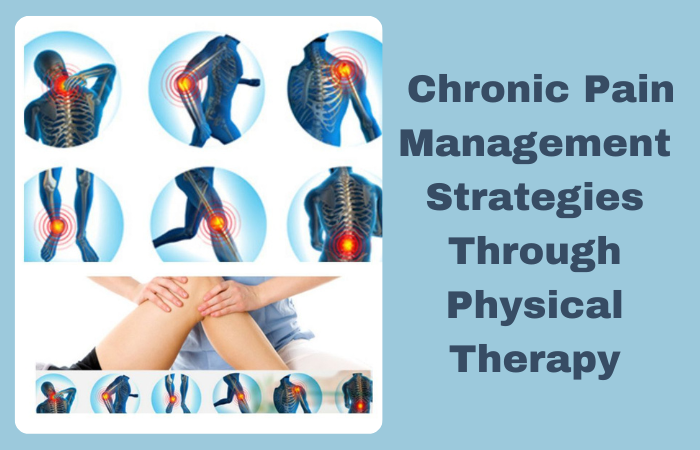
Chronic Pain Management Techniques
Life with constant pain is tiresome. It influences your mood, sleep, work, and even relationships. Long-term conditions affect many individuals in the world and demand a practical and systematic approach. The positive thing is that it is possible to cope with pain and enhance the quality of life through proven methods.
This manual offers ten powerful chronic pain management strategies that, in fact, work. These approaches are based on physical and mental health, which makes you regain control of your everyday life.
Be Active with Little Exercise
Perhaps, it might appear that the movement can be listed among the most effective methods of managing pain. Gentle exercises like walking, swimming, or stretching can be practiced in order to increase flexibility and reduce stiffness.
Endorphins also occur through exercising, and they are natural pain relievers. Start slowly and progressively. The management of chronic pain ought to be more consistent than intensive.
Physiotherapy
Physiotherapy is an effective therapy that is prevalent in Australia. An experienced physio will develop an individual course depending on the condition.
They emphasise enhancing strength, posture, and movement. This may, in the long run, alleviate pain and avoid more harm. Physiotherapy tends to be an important component in chronic pain management strategies.
Use Hot and Cold Therapy
The heat and cold packs are not complicated, but effective. Heat helps to relax muscles as well as increase the blood flow, whereas cold reduces swelling and inflammation.
Heat is to be used with stiffness, and cold is to be used with acute pain or injury. The time your different techniques are implemented can be very crucial in deciding whether your day-to-day life is comfortable or not.
Learn Mindfulness and Meditation
Not only physical, but mental pain as well. Meditations and mindfulness enable you to be where you are now and be less stressed.
These will be the practices that will show you not to take the pain seriously. This can make the pain less severe and improve emotional well-being in the future.
Mindfulness is beginning to form a part of the chronic pain management procedure of most Australians.
Improve Your Sleep Habits
Sleep deprivation may increase the intensity of pain. It is necessary to develop a healthy sleep habit.
Attempt to retire to bed at a regular time each night. Make your room comfortable and quiet. Screen time should be avoided at night, and caffeine should be kept to a minimum in the evening. Sleeping also enables your body to rest and enhances your pain tolerance.
Consider Cognitive Behavioural Therapy (CBT)
Cognitive Behavioural Therapy is a method that has been established as a way of dealing with chronic pain. It aims to reform negative thought patterns and behaviours.
CBT teaches you to cope with the pain and lessen the emotional value of pain. It is popular in Australia and commonly prescribed by health practitioners.
This strategy underscores the fact that mental health is a significant factor in the proper management of chronic pain.
Maintain a Balanced Diet
The food you eat can influence the way your body feels. A balanced diet will help to maintain good health and reduce inflammation.
Add foods that are high in vitamins, minerals, and omega-3 fatty acids. Good options are fresh fruits and vegetables, whole grains, and lean proteins.
Eliminating processed foods and excess sugar is also not recommended, as it can augment inflammation and deteriorate pain symptoms.
Use Medication Wisely
It may be helpful with medication, but it must be used with caution. Always obey your doctor and do not self-medicate.
The pain relievers can be in the form of over-the-counter medicine or in the form of prescription medicine. These will help in alleviating the problems in the short term as you seek long-term solutions.
Drug use is not the only aspect of a chronic pain management plan.
Learn about Alternative Therapies
Some individuals are relieved using other methods. These may include:
Acupuncture
Massage therapy
Chiropractic care
Such therapies may be applied alongside conventional treatments, though the outcomes may vary. They tend to focus on alleviating tension and promoting overall well-being.
It is also vital to select competent professionals and negotiate the solutions with your medical professional.
Build a Support Network
It is uncomfortable to live in chronic pain. A good support system can be of much help. Inform family members, friends, or support groups. The ability to share your experience can reduce your stress and can make you feel understood.
Using the services of professionals, e.g., pain specialists or counsellors, is also a way to overcome obstacles. One of the fundamental aspects of chronic pain management is the increase in emotional support.
Creating a Personalised Pain Management Plan
No one has a similar experience with pain. What works with one individual might not work with another. This is why you should develop a plan that will fit your needs.
Bring together various methods and monitor what works best. Get used to the process and change your strategy accordingly.
Collaboration with medical staff members can be helpful and can keep your course safe and efficient.
Final Thoughts
Chronic pain may be a problem, but it does not have to dominate your life. By using appropriate strategies, you can cope with symptoms and enhance and improve your overall well-being.
These ten methods present viable and effective methods of chronic pain management. Exercise and therapy for sleep and nutrition; each of the steps helps you on your way to recovery.
Be consistent, seek support from Pinnacle therapy, and concentrate on small achievements. These changes may, in the long run, make life a healthier and more comfortable life.
About the Author