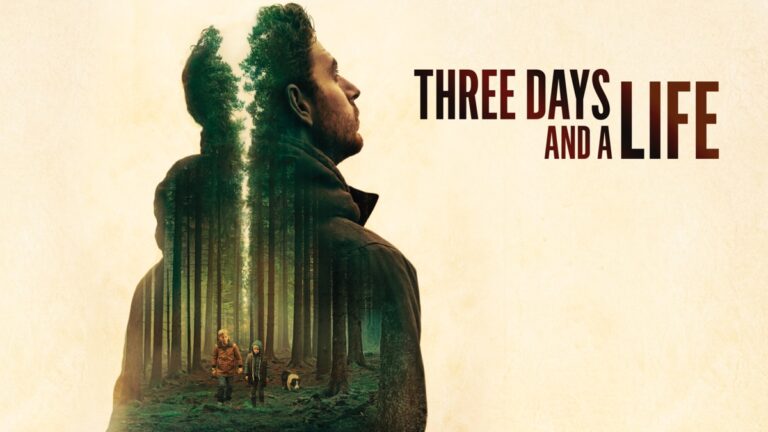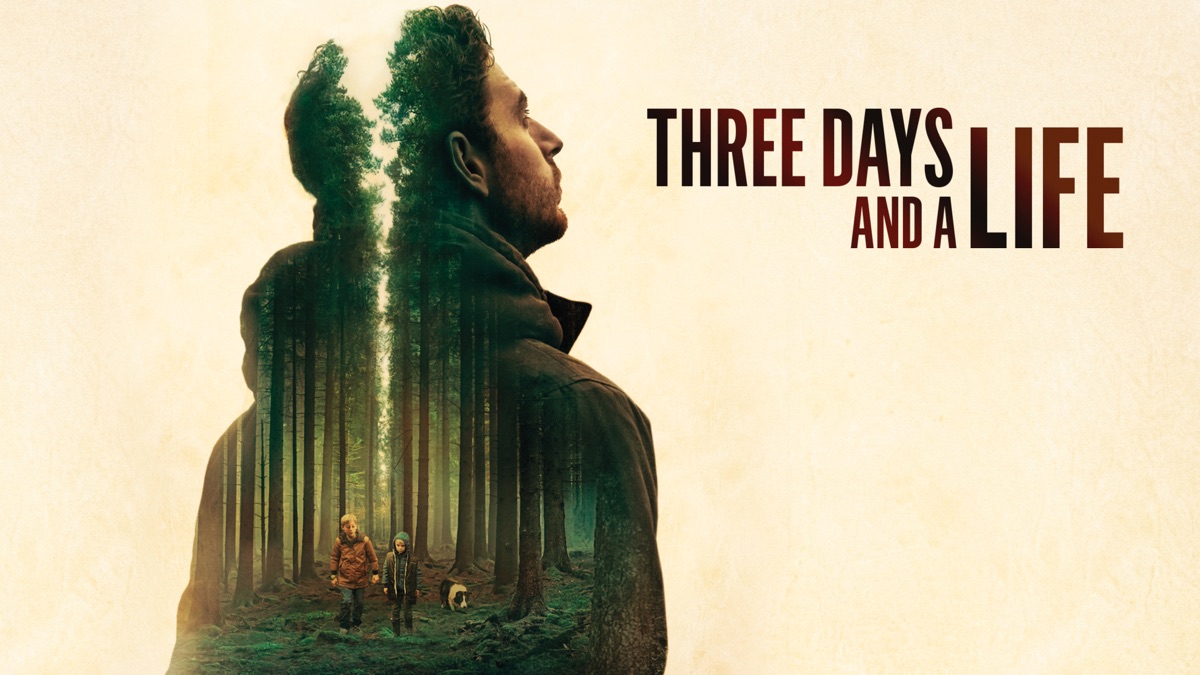
Introduction
I still remember picking up THREE DAYS AND A LIFE by Pierre Lemaitre around August 2017, noticing the Quercus and MacLehose Press edition with a CBTB Rating of 3/5, and thinking how a beautifully written story might not always satisfy crime readers. My first review thoughts were shaped by my love for psychological thriller stories like BLOOD WEDDING, known for being brilliantly written, intelligently plotted, and sometimes brutally dark, yet this book followed a different similar vein with beautiful writing and superb construction but surprising similarities and differences. I also recall hearing about Three Days And A Life being almost unread, compared to Alex, described as graphic and disturbing, yet thanks to Sample Sunday, opinions, WordsandPeace, and Emma, I saw it as a fabulous psychological tale, a reprieve that felt slickly constructed, full of atmosphere, psychological insight, a surprise ending, originally Trois jours et une vie, a translation by Frank Wynne, tied to publication, sale on 13th July 2017, fitting the genre of Crime, Mystery, Fiction In Translation, France, and even longlisted for the CWA International Dagger 2018.
Plot Summary
Set in 1999 in Beauval, France, a quiet provincial town, the story follows Antoine Courtin, a twelve-year-old boy whose accidental killing of a neighbor boy in the woods leads to concealment, a hidden body, and a disappearance where he remains never suspected. Around Christmas in the Ardennes, this lonely boy from divorced parents, missing his father and even small joys like a PlayStation, spends time in a tree house with Remi Desmedt and Ulysses, the family dog, until the animal is shot, causing trauma, anger, and unintentionally killing the child in a moment of panic, followed by hiding body, a search by the community, questioning, and being the last seen alive witness. As years pass with deep guilt, he reaches adulthood in Paris as a doctor with a fiancée and future, but discovery, a reopened case, rising fears, a haunting past, a pregnant woman, marriage pressure, a looming paternity test, possible DNA match, and his hidden secret push him toward confrontation as a net tightening reality shows his past catching up.
Themes / Character Study / Psychological Elements
The fundamental premise explores how a young boy commits a horrible crime and lives with lifetime knowledge and constant fear of discovery, focusing deeply on the murderer reaction, terror, and the anxiety of being caught. I noticed the strong emotional impact tied to his mother, ongoing guilt, and how the character study reveals anxiety, panic, and even drastic actions like running away, shaping broken relationships. The story thrives on moral ambiguity, showing a troubled boy, a flawed character capable of abhorrent actions, yet still inviting sympathy, forcing us to think about consequences, a life ruined, a moment of madness, the pain of the victim’s family, unanswered questions, internal fallout, psychological burden, external fallout, and the small town impact with lasting shockwaves, hidden in secrecy through his growth into adulthood.
| Theme | Character Focus | Psychological Element |
| fundamental premise, horrible crime, moment of madness | young boy, troubled boy, flawed character | lifetime knowledge, guilt, fear of discovery |
| moral ambiguity, consequences, life ruined | murderer reaction, being caught, sympathy | terror, anxiety, panic |
| internal fallout, psychological burden, secrecy | mother, relationships, growth into adulthood | emotional impact, drastic actions, running away |
| external fallout, small town impact, shockwaves | victim’s family, unanswered questions | fear of discovery, psychological burden |
| character study, growth into adulthood, secrecy | flawed character, troubled boy | internal turmoil, anxiety, panic |
Genre & Style
From a genre categorisation angle, this is not a typical thriller, though it carries tension, and it only partially fits crime fiction despite the murder and subtle investigation in the background. The usual structure of detection and resolution feels minimal, making it more of a character study and interpersonal drama than expected. I appreciated the prose, which feels beautifully written, full of refinement, elegance, even in grotesque description, with strong storytelling, rich atmosphere, deep psychological insight, and a sense of subtlety, even though some may notice suspense absence, a slower narrative style, closer to literary fiction.
Critical Evaluation / Review Opinions
From my reader experience, the novel feels excellent, offering a heartbreaking, masterful portrait shaped by a childhood mistake, though it may challenge crime novel expectations. Some readers might feel disappointment due to suspense lack, tension absence, and deviation from a traditional mystery, though the psychological complexity and subtle storytelling still stand strong. I found value in its deeper insight into adult life, its quiet intensity, and how it becomes thought-provoking, raising compelling questions about guilt, punishment, childhood crime, and moral judgement, supported by slick construction, emotional depth, a surprising ending, and reflections on internal turmoil and external consequences.
Author Information
Pierre Lemaitre built his name through crime novels, especially the series featuring Commandant Camille Verhœven, while works like Alex earned the CWA International Dagger in 2013 for best translated crime novel. His recognition grew further with the Prix Goncourt for Au revoir là-haut, also known as The Great Swindle, a story rooted in World War I. His literary prize success strengthened his reputation as a leading French author.
Awards / Recognition
The novel was longlisted for the CWA International Dagger in 2018, marking its place among notable works.
| Award Detail | Recognition Context | Year / Category |
| longlisted, CWA International Dagger | translated crime novel, literary prize, recognition | 2018, best translated crime novel |
| publication, MacLehose Press, translation, Frank Wynne | fiction in translation, France, crime fiction | 2017, international release |
| Pierre Lemaitre, reputation, French author | awards, recognition, literary prize | career recognition, crime novels |
| Alex, CWA International Dagger, best translated crime novel | awards, recognition, crime fiction | 2013, winning title |
| Prix Goncourt, Au revoir là-haut, The Great Swindle | literary prize, French author, recognition | 2013, major award |
Reviews / External Opinions
According to Kirkus Review, the book reflects quirky thrillers with an unhinged protagonist, capturing madness in the modern world with a feverish, entertaining tone. Critics like Barry Forshaw from Guardian praised its upward movement and accomplished style. Voices such as Jon Coates from Express, along with mentions of genius, master storyteller, and names like Marcel Berlins of The Times, highlight its thought-provoking and unsettling nature.
Reader Guidance
I recommend this for READ situations where you enjoy stories, France, and small-town life, especially if you like character-driven narratives and deep interpersonal relationships with strong psychological exploration. On the other hand, DO NOT READ this if you expect a fast thriller, compare it to BLOOD WEDDING, or want fast-paced, twisty mysteries. It may also not suit readers who prefer gritty crime or highly violent preference storytelling.
Unique Sections
Basic book details include the sale date of 13th July 2017, a price of £10.99, and multiple formats like paperback, audiobook, and ebook. The translation by Frank Wynne adds accessibility for global readers.
About the Author